
Items
Silver Pines items and collectibles: green herbs, medicine, key items, photos and film canisters plus where to find and combine everything.
Introduction
Every pickup in Silver Pines matters. With a grid inventory system that forces constant choices, the items section is your reference for what to keep, what to combine and what to leave behind. We cover the full range: green herbs and medicine that fuel your healing economy, upgrade items that restructure your combat loop, key items like photos, notes and film canisters that drive puzzles, and the collectibles hidden across the town for completionists. Each item profile lists where to find it, whether it respawns, and whether it doubles as a puzzle key or story progression item. Because inventory space is tight, our guides also answer the practical questions: which items to hoard, which to drop, and which to combine into more compact versions as soon as you find a safe spot.
Item Category Quick Reference
| Category | Examples | Best Practice |
|---|---|---|
| Herbs & medicine | Green herbs, medicine bottles | Combine herbs early to compress inventory |
| Upgrade items | Attack-speed boost, perk-style items | Grab early — they change your combat loop |
| Key items | Photos, notes, film canisters | Pin clues to your map for puzzle leads |
| Collectibles | Hidden lore items, optional pickups | Use the 100 percent route to catch them all |
Item Classes
Herbs & Medicine
The backbone of your healing economy. Gather green herbs, combine them into medicine bottles and never waste a slot on raw plants when bottle space exists. The profile lists every herb spawn cluster, marks the respawning hotspots you can farm safely and explains the combine recipes that keep your inventory light, so healing stays available without hoarding raw plants.
Upgrade Items
Perk-style items such as the attack-speed boost permanently restructure your combat loop — grab them as early as you can reach them. The locate and sequence sections show the order to grab each upgrade, the tools required to reach them and the combat roles they change, letting you plan a route that invests early in the stats you rely on.
Key Items
Photos, notes and film canisters drive the town's puzzles; the photo note system pins these clues straight onto your map. The guide explains how each photo, note and film canister connects to a specific puzzle, which ones are safe to leave behind and how the map-pin system turns your own exploration into a reliable solve checklist.
Collectibles
Optional lore items and hidden pickups reward careful exploration; use the 100 percent route to catch them all without replaying districts. The completionist profile ranks every hidden item by missability and reward, ties the collectibles to the districts where they spawn and recommends the backtracking order that catches everything in one efficient pass.
Core Mechanics
Item management in Silver Pines is a survival-horror economy in miniature. Green herbs are the raw material of healing: gather them from the environment, combine them into medicine bottles at a safe spot, and watch as two slots of herbs become one slot of usable medicine. Upgrade items, such as the attack-speed boost, permanently restructure your combat loop, so grabbing them early pays dividends for the rest of the game. Key items — photographs, notes and film canisters — drive the puzzle system: the photo-note mechanic pins clues directly onto your map, turning environmental hints into a personal checklist. Collectibles are the completionist's reward, often tucked into optional rooms that require late-game tools. Because the grid inventory has a fixed size, every decision is a trade: keep the medicine or grab the lens, carry the film canister or drop the second herb. Storage points exist in the town, but backtracking to them costs time and exposes you to more enemies, so the best strategy is usually to compress, plan and prioritize rather than hoard.
Advantages
The items section removes the guesswork from one of Silver Pines' most stressful systems. Rather than wondering whether a pickup is a puzzle key or a safe-to-drop collectible, players can check the profile and know immediately. The combine recipes and compression advice translate directly into more free inventory space, which is the single most valuable resource in the game. The key-item guides connect each photo, note and film canister to the exact puzzle it unlocks, eliminating the classic horror-game frustration of carrying a mystery object for hours. The collectibles route saves completionists from replaying districts, and the what-to-keep priority lists make every inventory decision faster and more confident.
Challenges
Exact item spawn locations can change with patches, and a few collectibles appear only after specific story moments, so our location routes assume a standard progression order. Some item functions, especially the combine recipes and upgrade effects, are community-observed rather than officially documented and may adjust after balance patches. The what-to-keep advice is written for typical playthroughs; extreme challenge runs that skip weapons or avoid combat may need different inventory priorities. We update profiles after each patch and clearly label community-tested information. The what-to-keep advice is calibrated for typical runs, so challenge runs with strict self-imposed rules may need different priorities, and the item profiles include clear labels whenever a function is community-observed rather than official.
Frequently Asked Questions
Should I keep every item I find in Silver Pines?+
Where do I find green herbs and medicine?+
What is the attack-speed upgrade and where do I get it?+
Do items respawn in Silver Pines?+
Quick Tips
Combine herbs at the nearest safe spot the moment you gather two or three. Two herb slots become one medicine slot, and the freed space is exactly what lets you pick up that key item without a storage run. If you are heading into a puzzle-heavy area, keep one flexible slot free and carry only the medicine and key items you actually need, because the next photograph or film canister might be the one that unlocks the district.
Photograph anything you leave behind. If you skip a collectible or a puzzle item because your inventory is full, snap a photo and pin it to your map, then grab it on your next pass with better space. The pinned photo stays on your map even after you leave the area, so a full-inventory skip becomes a bookmark rather than a lost collectible, and the backtracking trip is quick once your grid has space.
Before a boss, dump non-essential collectibles into storage. A full grid mid-boss is a death sentence when the fight drops a key item — leave room for the reward before you enter the arena. Before the arena starts, also consider dropping any duplicate herbs or non-essential lore items into storage, because a full grid at the reward drop point means the item simply stays on the ground and can be lost.
Learn which plants respawn. The few respawning herb hotspots can keep your medicine economy healthy through long stretches if the plot forces you to backtrack; mark them on your map like a personal farm route. Mark the respawning clusters on your map like a farm route, and revisit them between districts to rebuild your medicine economy without spending real time wandering the whole town looking for plants.
Featured

Silver Pines How to Get Upgrades: Hidden Item Spawns
Find Silver Pines how to get upgrades with secret spawn locations and learn which optional pickups are worth the detour before bosses.
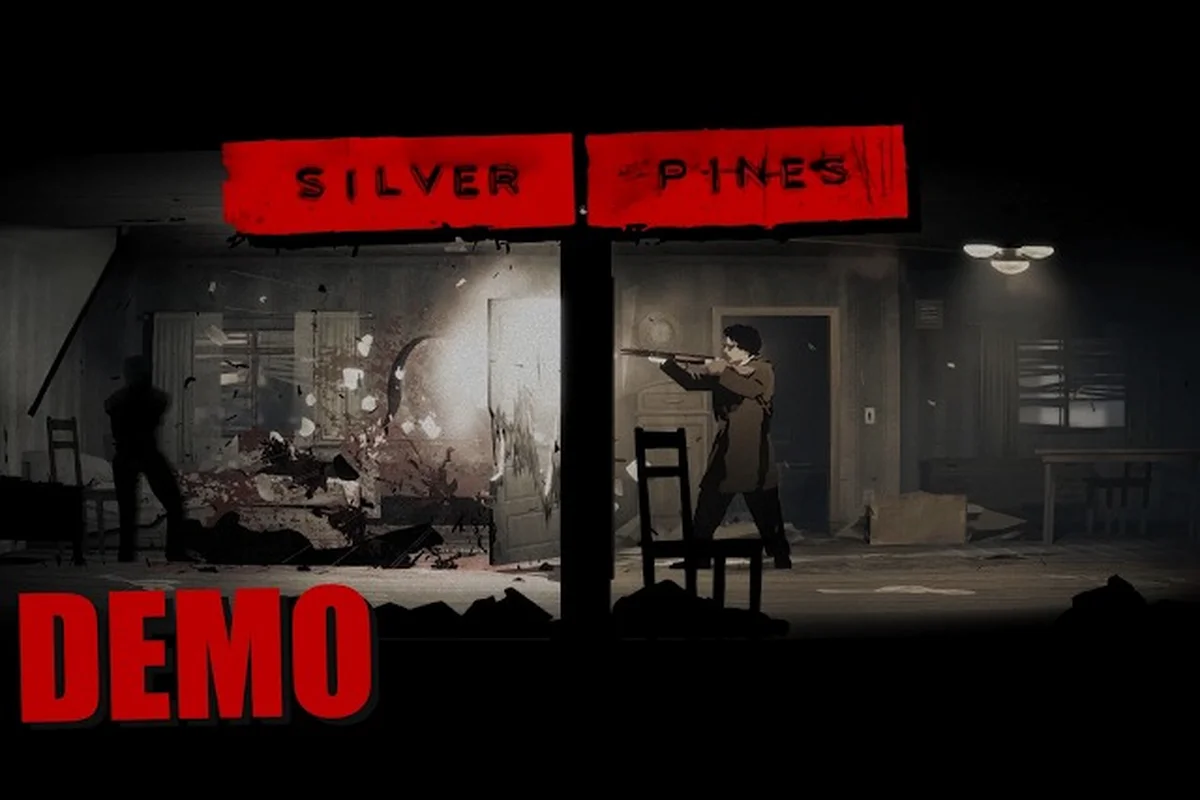
Silver Pines Item Guide: All Items and Herb Combines
Explore every Silver Pines item, learn which collectibles matter, and combine green herbs for stronger healing when survival gets desperate.
Silver Pines Farming Items: What to Keep or Drop
Master Silver Pines farming items with inventory management tips, what to keep versus drop, and whether item spawns respawn for stocking up before bosses.
All Articles
Silver Pines Medicine Locations: Best Healing Item Spots
Locate every Silver Pines medicine locations spot, compare healing item efficiency, and understand the health system before your next boss fight.
Silver Pines Missed Collectibles: Pre-Boss Item Checklist
Track down Silver Pines missed collectibles with a locations map, pre-boss item checklists, and tips on which items to grab before entering each dangerous arena.
Silver Pines Photos Guide: Film Canisters and Lore Notes
Track down Silver Pines photos guide film canisters, photograph items, and hidden notes that unlock lore while revealing attack speed upgrades.

Silver Pines Where to Store Items: Grid Inventory and Keys
Learn Silver Pines where to store items, which puzzle key items open doors, and how to manage the grid inventory while keeping the most valuable collectibles safe.