
Enemies
Profiles of Silver Pines street stalkers, corridor horrors and hulking bosses: attack patterns, avoidance routes and when to fight or flee.
Introduction
The streets and corridors of Silver Pines are not empty. In this section we profile every monster type in the game — the street stalkers that roam the foggy roads at night, the corridor horrors that lurk indoors, the hulking bosses that dominate key rooms, and the environmental threats that squeeze you from every direction. Each profile covers attack patterns, dodge windows, weaknesses and the all-important question: fight or flee. Because resources are scarce, knowing when to sprint past a monster is as valuable as knowing how to kill it. We also track enemy hotspots on the town map, respawn behavior after clearing districts, and the small details that make each monster distinct: the flicker before a charge, the sound cue that tells you something is close, and the music shifts that signal danger.
Enemy Type Quick Reference
| Enemy Type | Where Found | Best Response |
|---|---|---|
| Street stalkers | Foggy streets at night | Sprint past — fights drain stamina and durability |
| Corridor horror | Tight indoor rooms | Back-step the wind-up, then charge the recovery |
| Hulking bosses | Key rooms and open areas | Learn telegraphs, manage stamina, bring healing |
| Environment threats | Fog, flooded cars, locked rooms | Read the map and keep clearance |
Enemy Roster Overview
Street Stalkers
Foggy-street monsters with long wind-ups. Their numbers and darkness make sprinting past them safer than fighting. The guide explains their patrol patterns, the visual tells that announce a lunge and the safest cover lines, so you can cross foggy streets and crowded blocks without spending ammo or durability.
Corridor Horrors
Tight indoor encounters with little dodge room. Learn each wind-up, back-step it, then charge the recovery window. This profile focuses on the indoor fight loop: the exact wind-up animations, the back-step timing that keeps you safe and the charged counters that punish their long recovery frames in cramped rooms.
Hulking Bosses
Boss-class monsters that dominate key rooms and open areas. They keep every encounter tense and dangerous per the developers. The profile covers the boss-class threat level, the arena control they demand and the pre-fight preparation every savvy player checks: stamina reserve, healing load, weapon durability and a clear exit plan.
Environment Threats
Fog, flooded cars and locked rooms create pressure beyond monster AI, squeezing you between map and enemy at once. This category rarely gets a dedicated writeup, so the guide notes each hazard type, how it interacts with monster patrols and the best route planning habits to avoid being squeezed between map pressure and an ambush.
Core Mechanics
Silver Pines enemy encounters are built around the same combat language as the bosses: telegraph, dodge, punish. Street stalkers patrol the fog at night and have long, readable wind-ups, but their numbers and the darkness make fighting every one of them expensive, so the optimal response is often to sprint past. Corridor horrors are the reverse: tight indoor spaces leave little room to dodge, forcing you to learn each monster's exact wind-up, back-step through it, then charge while it recovers. Hulking bosses are the apex predators of the enemy roster, dominating key rooms and open areas with long combos and heavy damage. Environmental threats — fog that drops visibility, flooded cars that block lanes, locked rooms that force detours — act as a second layer of pressure beyond monster AI. The game uses sound and music cues to warn you: a music shift or a distinctive noise means something dangerous is near, and experienced players use those cues to decide whether to fight, hide or run.
Advantages
The enemy section's biggest value is the fight-or-flee framework, which is exactly the resource decision Silver Pines asks you to make constantly. Knowing which monsters are worth killing for drops and which are stamina-and-durability traps saves both health and repair costs. The hotspot map lets you avoid surprise packs and plan routes through dangerous districts. Sound and music cue guides sharpen your situational awareness, and the respawn notes tell you whether you can farm an area safely or should treat a cleared street as permanently safe. For lore-hunting players, the monster design notes connect each enemy to the town's story in ways that enrich the atmosphere.
Challenges
Enemy names in Silver Pines are community-observed rather than official labels, so profile titles may differ from what appears in-game. Patrol routes and respawn windows can shift with patches, making hotspot maps drift over time. The fight-or-flee advice is written for a standard difficulty run; on harder settings, stamina costs and damage numbers change, so some monsters that seem skippable may chase further. We update profiles after each major patch, and the sound-cue section in particular should be treated as a starting point rather than a precise alarm system. The profiles are updated after each major patch, and the sound-cue notes should be treated as a starting point rather than an exact alarm system, since audio mixing and patrol density can vary with difficulty and patch changes.
Frequently Asked Questions
Do enemies respawn in Silver Pines?+
Should I fight enemies or run past them?+
How do I sneak past enemies in Silver Pines?+
Which enemies are the hardest in the game?+
Quick Tips
Listen before you look. Silver Pines signals danger with music shifts and ambient cues, so a change in the soundtrack is your first warning that a monster pack is near — check your map and route around it before you see them. Use the audio layer proactively: when the music intensity climbs, slow down, check your map and pre-plan an escape route around the patrol path rather than reacting only after the monster is already on screen.
When you must cross a foggy street at night, sprint in a straight line between cover points. Street stalkers have long wind-ups, but a pause in the open gives their patrolling path time to overlap yours. Pick cover points beforehand so the sprint never leaves you exposed in the middle of the road, and use the charge of the lunge to slide past the monster as it commits its attack.
Corridor horrors are fastest when you stand still. Back-step the wind-up, then charge into their recovery; standing your ground and trading hits is how the game drains your medicine in its tightest rooms. Staying put also gives corridor horrors a free lock-on window, so the safest rhythm is always move, stop, read the wind-up, back-step, counter - never stand and trade blows.
Learn which districts are permanent-clear after their first sweep. A cleared indoor block is a safe place to combine herbs, organize your inventory and prep for the next area without ambush pressure. A cleared block is also the ideal spot to combine herbs into medicine and repack your grid, because the walkthrough and item guides can be read without the pressure of imminent combat.
Featured

Silver Pines Night Enemies: Survive the Fog Hunt
Learn how silver pines night enemies change after dark, which fog monsters stalk the streets, and when early fights turn into late game death traps.

Silver Pines Do Enemies Respawn: Farming, Drops, and AI Behavior
Learn if silver pines do enemies respawn, what items they drop, and how corridor AI behaviors affect farming routes and resource management.
Silver Pines Enemy Guide: All Types and How to Avoid Them
Explore the silver pines enemy guide covering every monster type, street enemy behavior, and how to avoid stalkers while conserving limited ammo.
All Articles
Silver Pines Monster Design Lore: Enemy Notes Explained
Explore silver pines monster design lore through enemy notes, stun and knockdown mechanics, and which monsters you can sneak past instead of wasting ammo.

Silver Pines Run Past Enemies Guide: Weaknesses and Dodge Windows
Master the silver pines run past enemies guide with attack patterns, dodge timing, and which strongest enemies you should never try to fight head-on.

Silver Pines Stealth Guide: Read Enemy Sound Cues
Use this silver pines stealth guide to track enemy sounds, listen for music cue warnings, and slip past monsters without burning limited ammo or stamina.
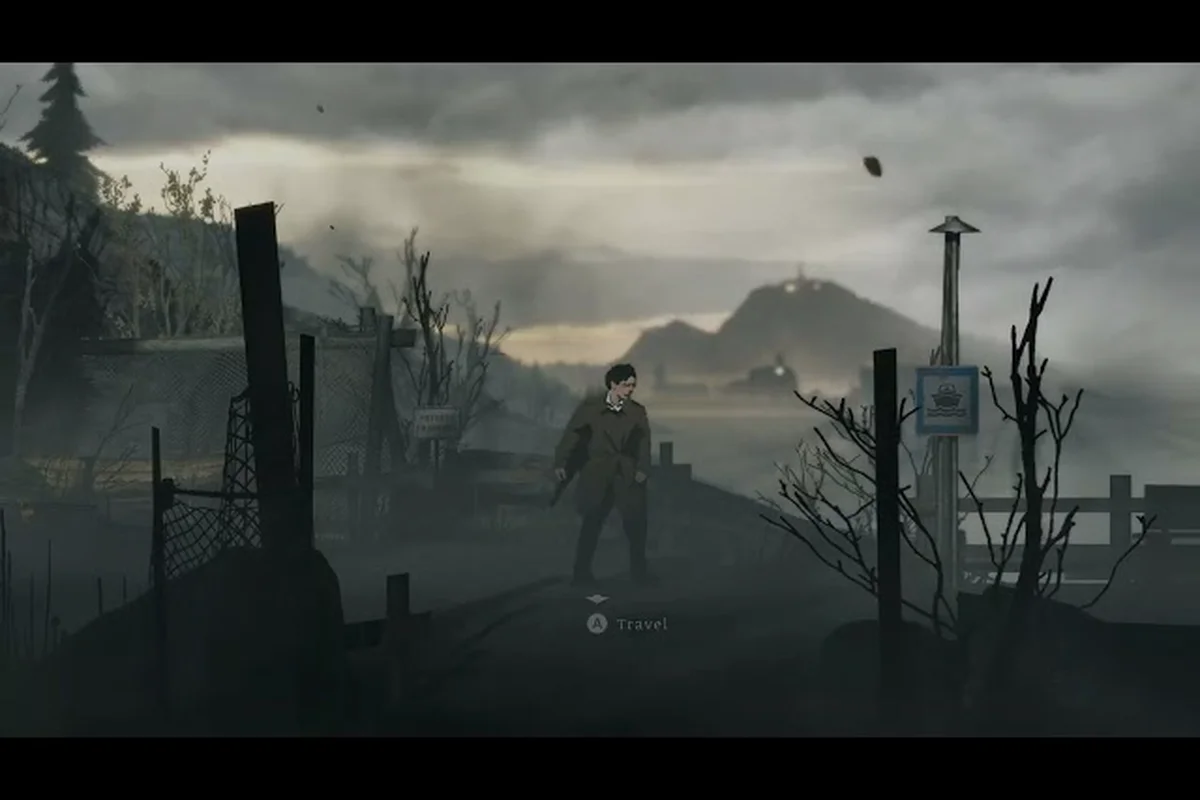
Silver Pines When to Run From Enemies: Flee Zones
Master silver pines when to run from enemies with hot spot maps, underground and forest patrol routes, plus flicker cues that signal a fight you cannot win.