
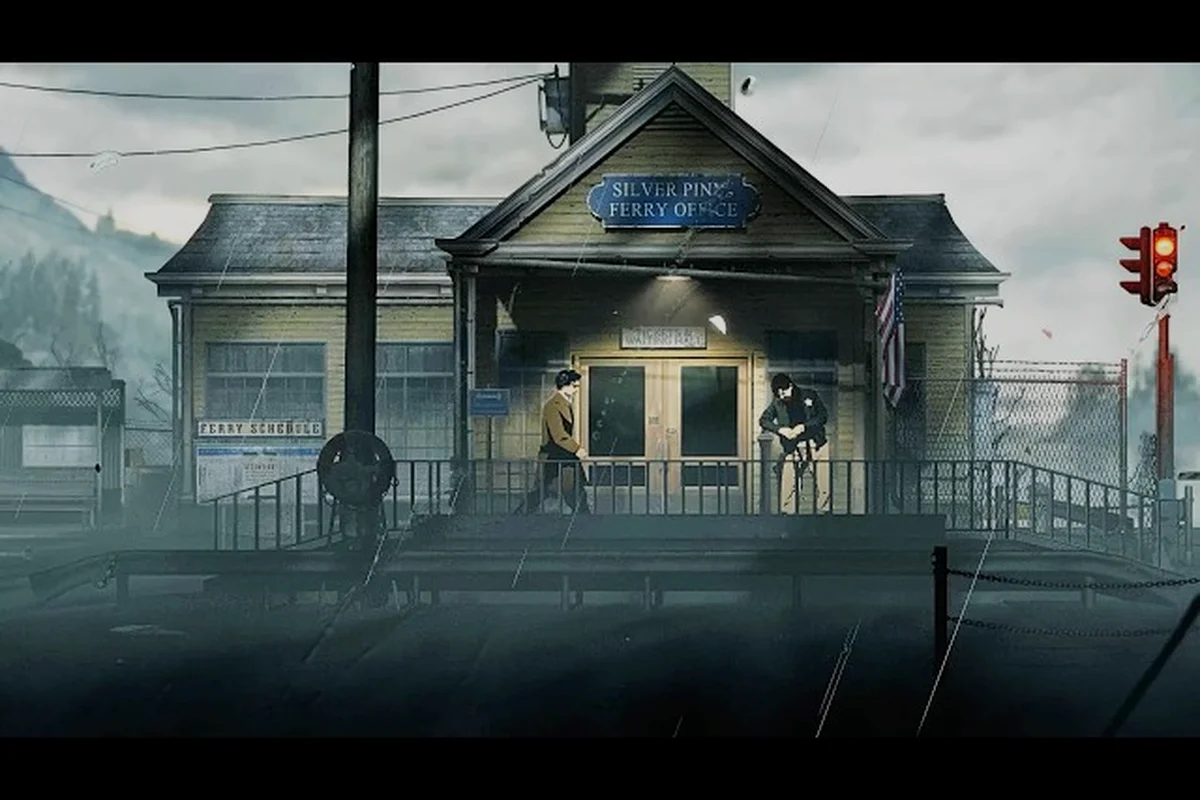
Survival in Silver Pines depends on knowing whether your gear will fail you mid-fight, because a snapped blade or jammed firearm at the wrong moment means a quick trip back to the last checkpoint. The question of whether Silver Pines do weapons break permanently shapes every loadout decision, from which melee option you carry into the fog to how aggressively you spend upgrade materials. This guide breaks down the durability system, the optimal upgrade path, and the animation and swap mechanics that determine your combat flow. ut decision, from which melee option you carry into the fog to how aggressively you spend upgrade materials. This guide breaks down the durability system, the optimal upgrade path, and the animation and swap mechanics that determine your combat flow, while the full stat ranges and swing profiles for each melee option are catalogued in the Silver Pines Weapon List so you can compare breakpoints before committing your resources.
What Happens When a Weapon Breaks
Weapons in Silver Pines do not shatter into unusable scrap the moment their condition hits zero, which is a relief for players who fear losing a fully upgraded firearm to a single bad encounter. Instead, the game uses a condition degradation system where each weapon has a hidden or visible durability pool that drains with every swing, shot, or block. When a weapon reaches zero durability, it becomes temporarily disabled rather than permanently destroyed, forcing you to either switch to a backup or retreat to a workbench for repairs.
The exact durability values vary by weapon class, and community testing suggests that heavier melee options like the sledgehammer and fire axe degrade faster per hit than lighter tools such as the crowbar or bat. Ranged weapons consume durability through both firing and reloading animations, which means a high-rate-of-fire pistol can wear down surprisingly quickly even if each individual shot deals modest damage. According to player reports, a standard 9mm pistol can survive roughly 40 to 60 shots before requiring maintenance, while a pump shotgun may only last 15 to 25 shells due to its higher per-shot stress on internal components.
| Weapon Type | Durability Pool | Degradation Rate | Repair Cost |
|---|---|---|---|
| Crowbar | High | Low per swing | Low |
| Bat | Medium | Low per swing | Low |
| Fire Axe | Medium | High per swing | Medium |
| Sledgehammer | Low | Very high per swing | High |
| 9mm Pistol | Medium | Medium per shot | Medium |
| Pump Shotgun | Low | High per shell | High |
The key takeaway is that weapon breakage is a resource management problem, not a permanent loss problem. You will never lose a weapon forever, but you can absolutely find yourself stranded in a dangerous area with nothing but a disabled primary and a weak backup if you ignore condition warnings. The game telegraphs low durability through visual cracks, audio cues, and a condition icon that appears near your health bar, giving you a window to rotate weapons or retreat before the tool gives out entirely.
Silver Pines Best Upgrade Order for Weapons
Upgrading weapons in Silver Pines requires a mix of scrap metal, mechanical parts, and occasionally rare components found in locked containers or behind environmental puzzles. Because these materials are finite in any given run, the order in which you invest them matters enormously. The community consensus on the best upgrade order for weapons prioritizes reliability first, damage second, and utility last, which means you should focus on durability and handling before chasing raw damage numbers.
The reasoning is straightforward: a weapon that breaks mid-fight deals zero damage, while a weapon with slightly lower damage but higher durability keeps you alive through extended encounters. Early upgrades should therefore target durability extension and repair efficiency, which reduce the frequency of trips back to a workbench and stretch your material supply further. After your primary weapon can survive a full combat encounter without failing, you can shift attention to damage and special effects.
| Upgrade Priority | Upgrade Type | Why It Matters |
|---|---|---|
| 1 | Durability Extension | Prevents mid-fight breakage |
| 2 | Repair Efficiency | Reduces long-term material cost |
| 3 | Base Damage | Kills enemies faster, less durability used per kill |
| 4 | Attack Speed | Improves DPS but increases durability drain |
| 5 | Special Effects | Adds elemental or stagger bonuses |
A common mistake is rushing attack speed upgrades on melee weapons because faster swings feel more responsive, but this actually accelerates durability drain and can leave you with a broken weapon at the worst possible moment. Instead, treat attack speed as a late-game luxury once your durability pool is large enough to absorb the increased wear. The same logic applies to firearms: a fire rate upgrade on a pistol sounds appealing, but it burns through both ammunition and weapon condition far faster than the base model.
Silver Pines Weapon Requirements and Unlock Conditions
Not every weapon in Silver Pines is available from the start, and understanding the weapon requirements system prevents wasted exploration time. Some weapons require specific story progression milestones, while others demand that you locate a key item or solve an environmental puzzle before the weapon becomes accessible. The game does not always spell out these requirements clearly, which is why community documentation and player-shared maps have become essential resources for completionists.
The crowbar and bat are typically available within the first hour of play, serving as reliable starter weapons that can carry you through early encounters. Mid-tier options like the fire axe and revolver require reaching certain districts or completing side objectives, while the most powerful weapons such as the sledgehammer and pump shotgun are locked behind late-game areas or boss encounters. Some weapons also have stat requirements tied to your character's progression, meaning you cannot effectively wield them until you have invested enough points into the relevant attributes.
| Weapon | Availability | Requirement Type | Notes |
|---|---|---|---|
| Crowbar | Early game | None | Reliable starter melee |
| Bat | Early game | None | Faster but lower damage |
| Fire Axe | Mid game | Story progression | High damage, high durability drain |
| Revolver | Mid game | Side objective | Strong single-target ranged |
| Sledgehammer | Late game | Boss encounter | Massive damage, very slow |
| Pump Shotgun | Late game | Key item | Devastating close range |
The weapon requirements system ties directly into the upgrade order discussion because you should not waste rare materials on a weapon you will replace in the next district. A fully upgraded crowbar is still inferior to a base-level fire axe, so saving your scrap metal for mid-game weapons is often the smarter long-term play. That said, a modest durability upgrade on your starter weapon can make the early game significantly smoother without breaking your material bank.
Silver Pines Weapon Animation Guide and Combat Timing
The weapon animation guide for Silver Pines is less about visual flair and more about understanding attack commitment, recovery frames, and animation canceling opportunities. Every melee swing and firearm shot locks your character into a brief animation window during which you cannot dodge or block, and learning these windows is the difference between a clean kill and taking unnecessary damage. Heavy weapons like the sledgehammer have long wind-up and recovery animations that leave you vulnerable, while lighter tools like the bat offer faster swings with shorter commitment.
Ranged weapons introduce additional animation layers through reload sequences and aim transitions. The pump shotgun has a particularly punishing reload animation that must be managed carefully, because starting a reload at the wrong moment leaves you defenseless for nearly two seconds. Community testing indicates that you can cancel the tail end of certain animations by initiating a dodge or weapon swap, which shaves precious frames off your recovery time and lets you maintain pressure on enemies.
| Animation Type | Duration | Cancelable | Risk Window |
|---|---|---|---|
| Crowbar Swing | Short | Yes | Low |
| Bat Swing | Short | Yes | Low |
| Fire Axe Swing | Medium | Partial | Medium |
| Sledgehammer Swing | Long | No | High |
| Pistol Shot | Short | Yes | Low |
| Shotgun Shot | Medium | No | Medium |
| Shotgun Reload | Long | No | High |
Mastering the animation guide means recognizing which attacks you can safely commit to in a given situation. Against slow, telegraphed enemies, a sledgehammer heavy attack is worth the long animation because the damage payoff is enormous. Against fast, aggressive enemies, you want the bat or crowbar so you can attack and dodge without being locked into a punishing recovery. The animation system rewards players who match their weapon choice to the enemy type rather than sticking with a single favorite for every encounter.
Silver Pines Weapon Swap Guide for Combat Flow
The weapon swap guide for Silver Pines focuses on the swap speed mechanic and how it affects your ability to chain attacks across different weapon types. Swapping between a melee weapon and a ranged weapon is essential for handling mixed enemy groups, but the swap animation itself takes time and can be interrupted if you take damage during the transition. Understanding when and how to swap is a core survival skill that separates competent players from those who constantly find themselves caught with the wrong tool out.
The fastest swaps occur between two one-handed weapons or between a one-handed melee and a pistol, while swapping to or from a two-handed weapon like the sledgehammer or pump shotgun takes noticeably longer. This means your loadout composition matters as much as your individual weapon choices. A loadout of crowbar plus pistol allows for rapid, fluid swaps that keep you mobile, while a loadout of sledgehammer plus shotgun hits incredibly hard but punishes you heavily for swapping at the wrong moment.
| Loadout Combination | Swap Speed | Combat Style | Best Use Case |
|---|---|---|---|
| Crowbar + Pistol | Fast | Hit-and-run | Early game, fast enemies |
| Bat + Revolver | Fast | Aggressive melee | Mid game, mixed groups |
| Fire Axe + Pistol | Medium | Balanced | Mid game, armored enemies |
| Sledgehammer + Shotgun | Slow | Burst damage | Late game, boss fights |
A practical swap technique involves pre-swapping during safe moments rather than reacting to threats in real time. If you know a group of enemies includes both melee rushers and ranged shooters, swap to your ranged weapon before engaging the shooters, then swap back to melee as the rushers close distance. This proactive approach eliminates the panic swap that often results in taking free damage. The weapon swap guide also recommends keeping your highest-durability weapon in the slot you use most often, since frequent swapping does not drain durability but frequent use certainly does.
How Weapon Breakage Interacts with Upgrade and Swap Decisions
The three systems of durability, upgrades, and swapping do not exist in isolation, and the best Silver Pines players treat them as a single interconnected loadout strategy. A weapon with high durability but slow swap speed might be perfect for a defensive playstyle where you commit to one tool for extended periods, while a fragile but fast-swapping weapon pair suits aggressive players who constantly rotate between melee and ranged options. Your upgrade investments should reflect which playstyle you actually use rather than following a generic tier list.
For example, if you favor the crowbar plus pistol loadout for its fast swap speed, you should prioritize durability upgrades on the crowbar because it will absorb most of your melee damage, while leaving the pistol at base level since it serves as a backup rather than a primary. Conversely, a sledgehammer plus shotgun player should invest heavily in damage upgrades because those weapons are designed to end fights quickly before their low durability becomes a problem. The upgrade order is not universal; it is a function of your chosen combat rhythm.
| Playstyle | Primary Weapon | Upgrade Focus | Durability Strategy |
|---|---|---|---|
| Hit-and-run | Crowbar | Durability | Rotate weapons frequently |
| Aggressive melee | Bat | Attack speed | Repair after every encounter |
| Balanced | Fire Axe | Damage | Carry backup melee |
| Burst damage | Sledgehammer | Damage | End fights before breakage |
The interaction between these systems also affects your material economy. Repairing a heavily upgraded weapon costs more materials than repairing a base-level weapon, which means your upgrade investments increase your long-term maintenance burden. This is another reason to avoid over-upgrading early weapons: a fully upgraded crowbar not only gets replaced by better weapons later, but it also drains your repair materials faster than a modestly upgraded one would. The smart play is to upgrade only what you need to survive the current district, then save the rest for weapons you will keep long-term.
Frequently Asked Questions
Do weapons in Silver Pines break permanently?
No, weapons in Silver Pines do not break permanently. When durability reaches zero, the weapon becomes temporarily disabled and must be repaired at a workbench before it can be used again. You never lose a weapon forever, but being caught with a disabled primary in a dangerous area can feel just as punishing as permanent loss.
What is the best upgrade order for weapons in Silver Pines?
The best upgrade order prioritizes durability extension first, followed by repair efficiency, then base damage, and finally attack speed and special effects. This order keeps your weapons functional through longer encounters and reduces material costs, which matters more than raw damage in a survival-focused game where a broken weapon deals zero damage.
Do weapon requirements lock me out of certain weapons early?
Yes, some Silver Pines weapons require story progression, key items, or side objective completion before they become accessible. The crowbar and bat are available early, while the sledgehammer and pump shotgun are locked behind late-game areas or boss encounters. Check community maps if you cannot find a specific weapon.
How does weapon swap speed affect combat in Silver Pines?
Weapon swap speed determines how quickly you can transition between melee and ranged options, and slower swaps leave you vulnerable during the animation. Loadouts with two one-handed weapons swap fastest, while two-handed weapons like the sledgehammer and pump shotgun have noticeably longer swap times. Pre-swapping during safe moments avoids panic swaps.
Can I cancel weapon animations in Silver Pines?
Some weapon animations can be partially canceled by initiating a dodge or weapon swap, but heavy attacks like the sledgehammer swing and shotgun reload cannot be canceled once committed. Learning which animations are cancelable is essential for maintaining mobility against fast enemies, and the weapon animation guide helps you identify safe attack windows.
The durability, upgrade, and swap systems in Silver Pines form a tight loop that rewards planning over improvisation. Knowing that weapons do not break permanently removes the fear of experimentation, but the material costs of repairs and upgrades still demand careful resource management. By following the upgrade order that matches your playstyle, respecting weapon requirements, and mastering the animation and swap timings, you can keep your best gear functional through the entire fog-filled journey.